Your Cart is Empty
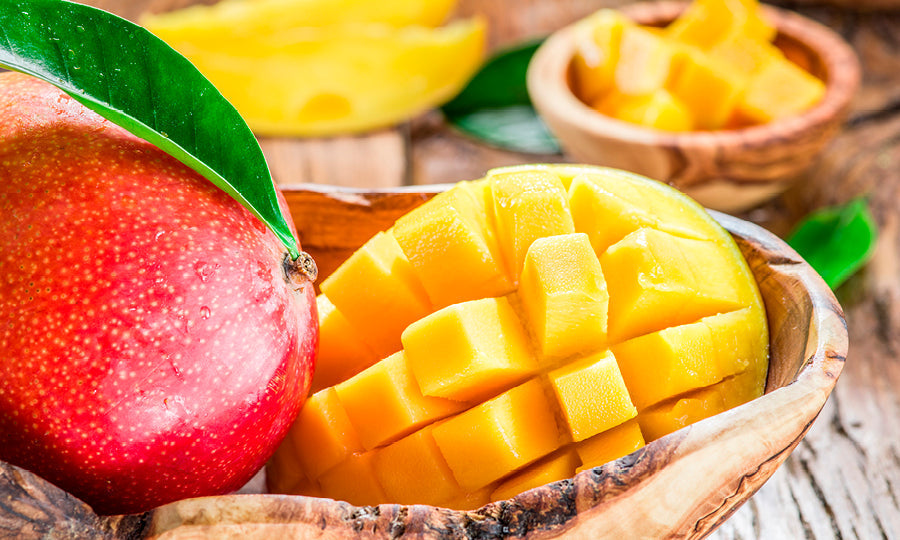
Mango seed butter is a fatty cosmetic ingredient that can add softness and richness to a moisturizer. Its useful role is different from eating mango or applying mango fruit extracts. A body cream containing mango butter should not be described as delivering the fruit’s vitamins in the same way as a meal or a tested vitamin treatment.
| Material | How to think about it | Claim to avoid transferring |
|---|---|---|
| Mango seed butter | A fat used within cosmetic bases | Every nutritional benefit of the fruit. |
| Mango fruit or pulp | A food with its own composition | A controlled leave-on treatment for acne or dryness. |
| Mango extract | A preparation that depends on what and how it was extracted | Results from another extract or a different route of use. |
| A mango-butter body cream | A finished formula with multiple ingredients | A result attributed solely to mango butter without testing. |
Within a well-formulated moisturizer, mango butter can contribute emollience and the feel of the product. That may be useful when body skin feels rough or dry. Its presence does not prove deep penetration, permanent elasticity changes or collagen rebuilding.
The body moisturizer guide explains how a butter can work alongside water-binding and moisture-retaining ingredients. The finished product’s proportions and performance matter more than a long list of benefits assigned to a single plant.
Do not use it as a substitute for care appropriate to those concerns. A moisturizer’s softening effect is not evidence that it kills acne bacteria, removes scars or lightens dark marks. Likewise, food-derived vitamin A compounds should not be described as equivalent to applying a retinoid medicine.
A rich formula may suit one body area and coincide with bumps on another. For that question, see body butter and clogged pores and how to interpret comedogenic ingredient claims.
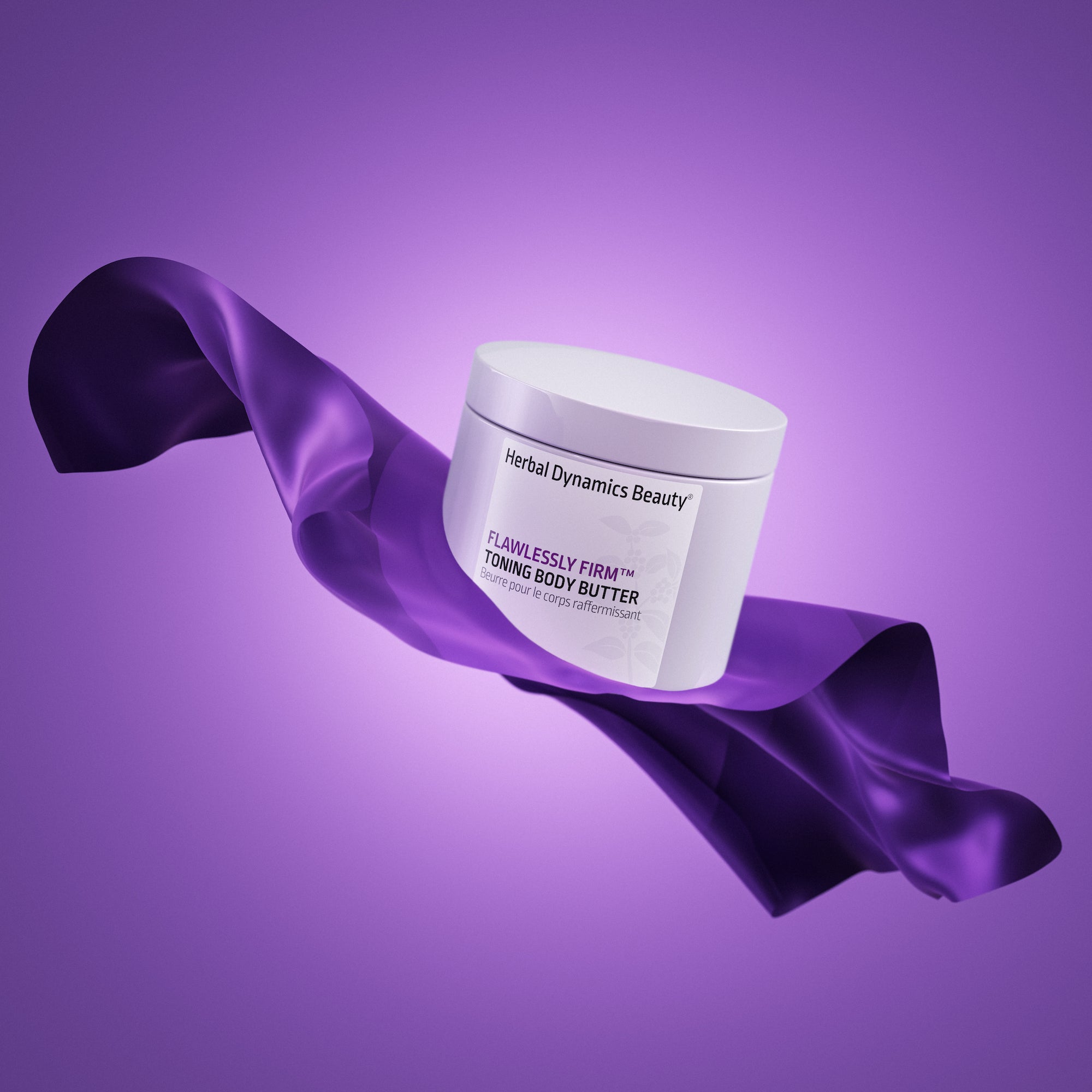
Flawlessly Firm™ Toning Body Butter contains mango seed butter with water, glycerin, sweet almond and avocado oils, dimethicone and other ingredients. That is a complete moisturizing formula, not pure mango butter.
Choose it if you enjoy a rich body butter and tolerate its full ingredient list. Do not infer a proven vitamin C treatment or cellulite outcome from mango imagery or the botanical ingredient name.
The formula contains fragrance and retinyl palmitate, a vitamin A derivative. Choose a fragrance-free alternative for fragrance-sensitive or actively irritated skin. Avoid retinoid-containing products during pregnancy or while trying to conceive; ask your clinician about use while breastfeeding. See our retinoid pregnancy and breastfeeding guide.
Follow the body product’s directions and begin with a small area. Apply gently and adjust the amount to the finish you prefer. Stop if it irritates or causes a rash. For daily timing, read how to moisturize your body.
Use a formulated cosmetic rather than rubbing fruit peels on an irritated area or mixing fresh pulp into a jar. A home food mixture is not equivalent to a preserved, tested leave-on formula.
Compare shea, mango and cocoa butter by the product they are in, not a promise that one natural fat suits every skin type. For very dry skin, prioritize a tolerable moisturizing base over a specific botanical name.
By Herbal Dynamics Beauty • Updated September 24, 2026